Field journal · Landscape notebook · Notebook Cairo · Spring 2026 · Contact
The Hanging Obelisk A landscape architecture reading
Notebook · Six readings · 2026

A landscape, before the building. Site readings.

Before the visitor reaches the building, there is a landscape — the entry plaza, the hanging obelisk of Ramesses II, the gardens, the approach, the night-lit façade. A landscape-architectural reading of the GEM site as a designed landscape.

The Hanging Obelisk — On the Landscape of the GEM Site
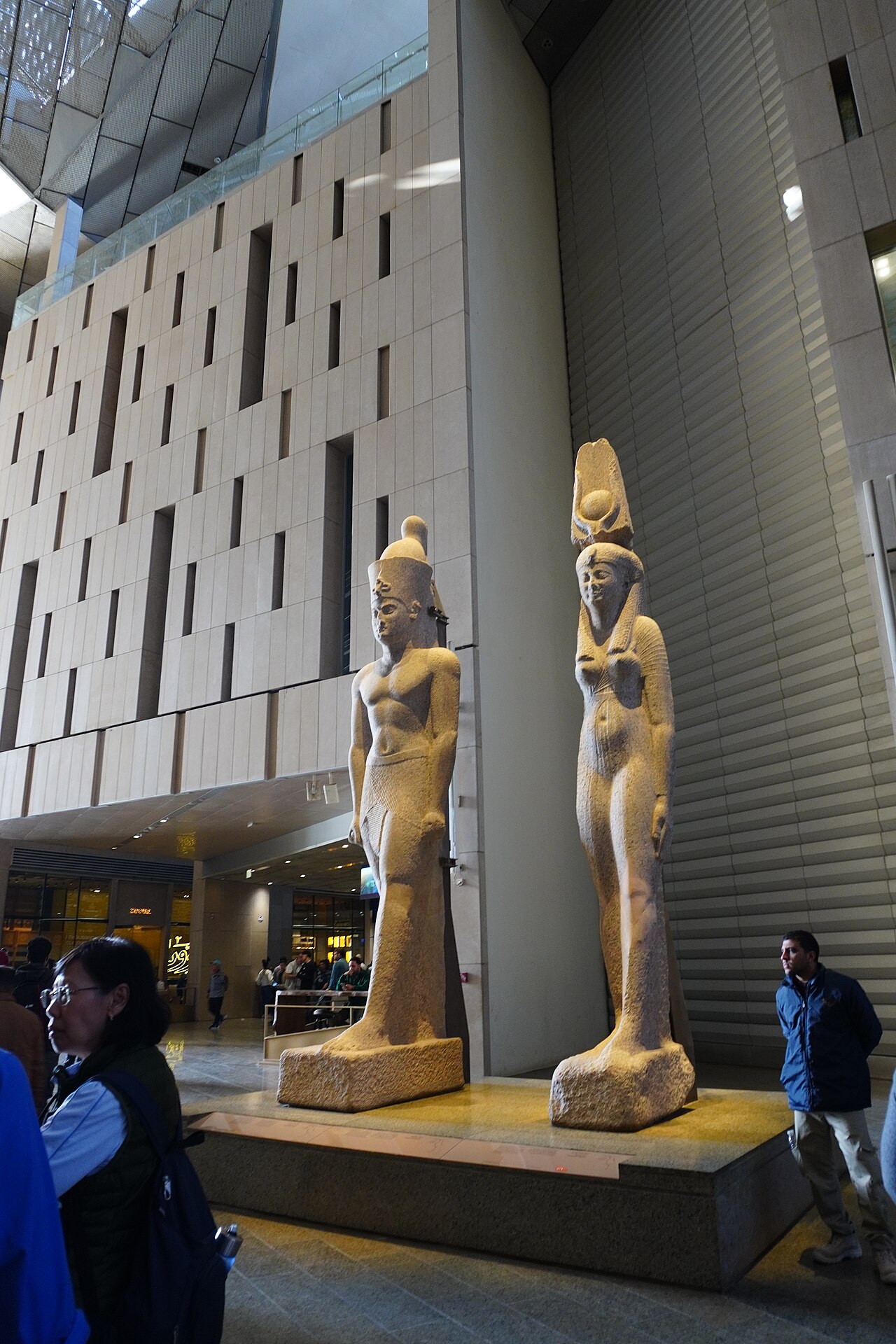
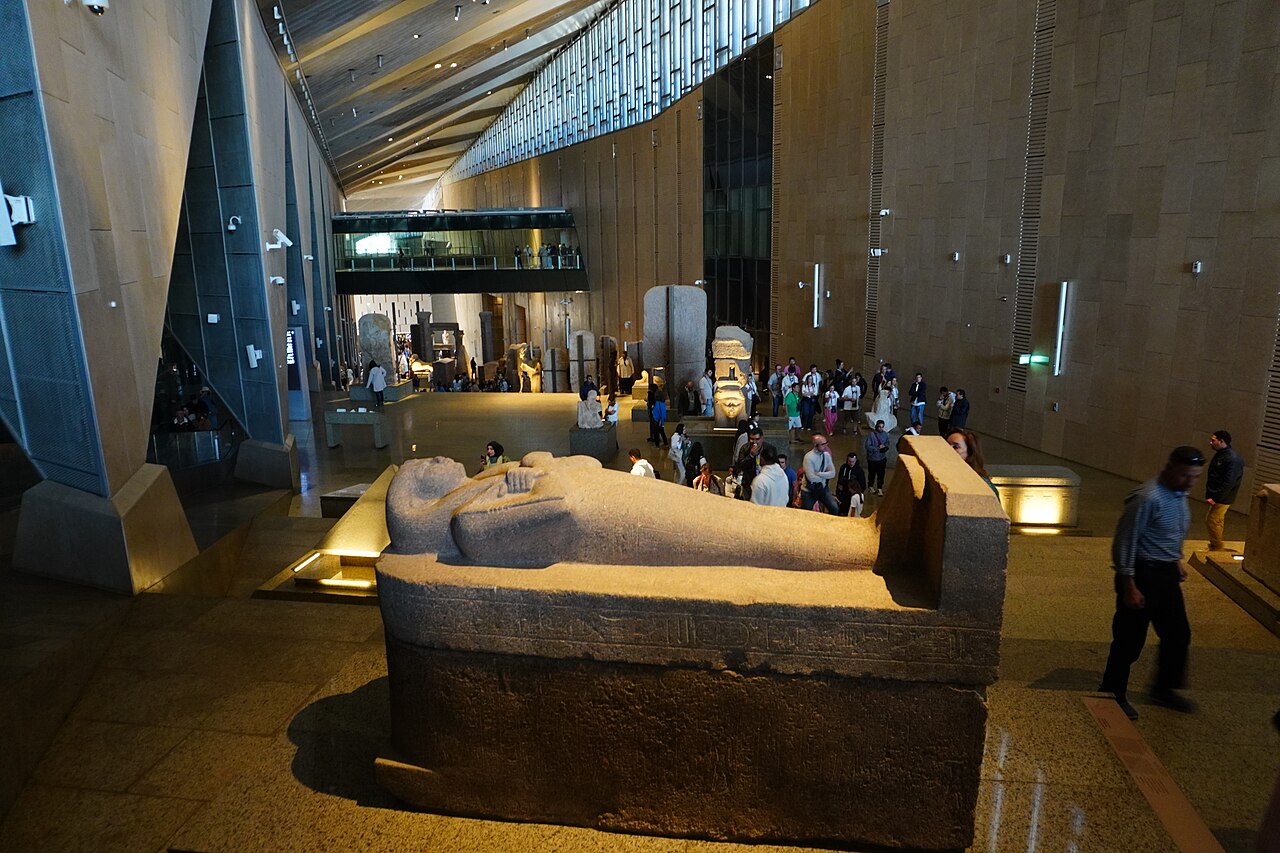
Above — The Hanging Obelisk, opening roomsPhotograph: Wikimedia Commons (CC)
29°59'N · 31°08'E Six readings · One designed landscape Independent · Professional · Non-commercial
Six readings

The GEM site as a designed landscape.

Each reading takes one element of the GEM site's designed landscape — the plaza, the obelisk, the gardens, the approach, the night-lit façade, the relationship to the desert edge — and reads it as a piece of landscape architecture.

The entry plaza
Reading 01 · Plaza12 min · Forecourt

The entry plaza

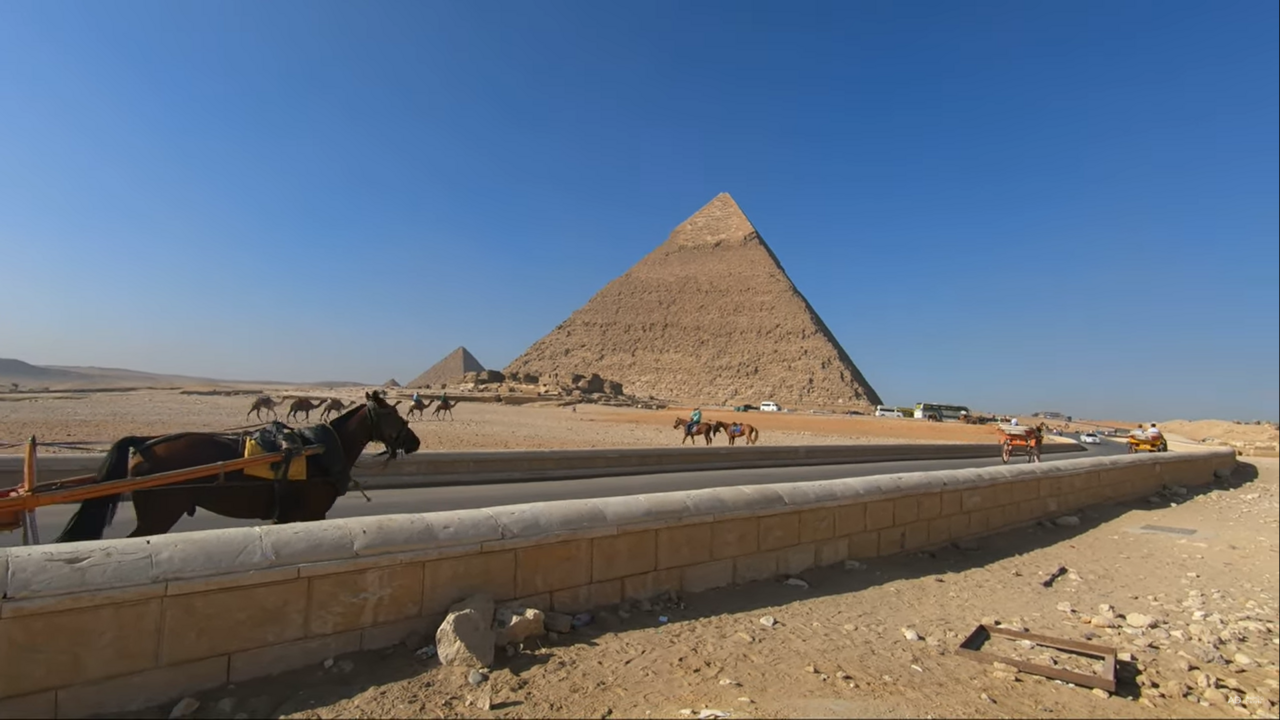
The entry plaza of the GEM is a single vast paved forecourt that extends from the road frontage to the building's entrance, almost three hundred metres deep. As a piece of public-realm design it is the largest civic plaza in Egypt and one of the largest in the Arab world.

Read the field report →
The hanging obelisk at the entrance
Reading 02 · Obelisk13 min · Innovation

The hanging obelisk at the entrance

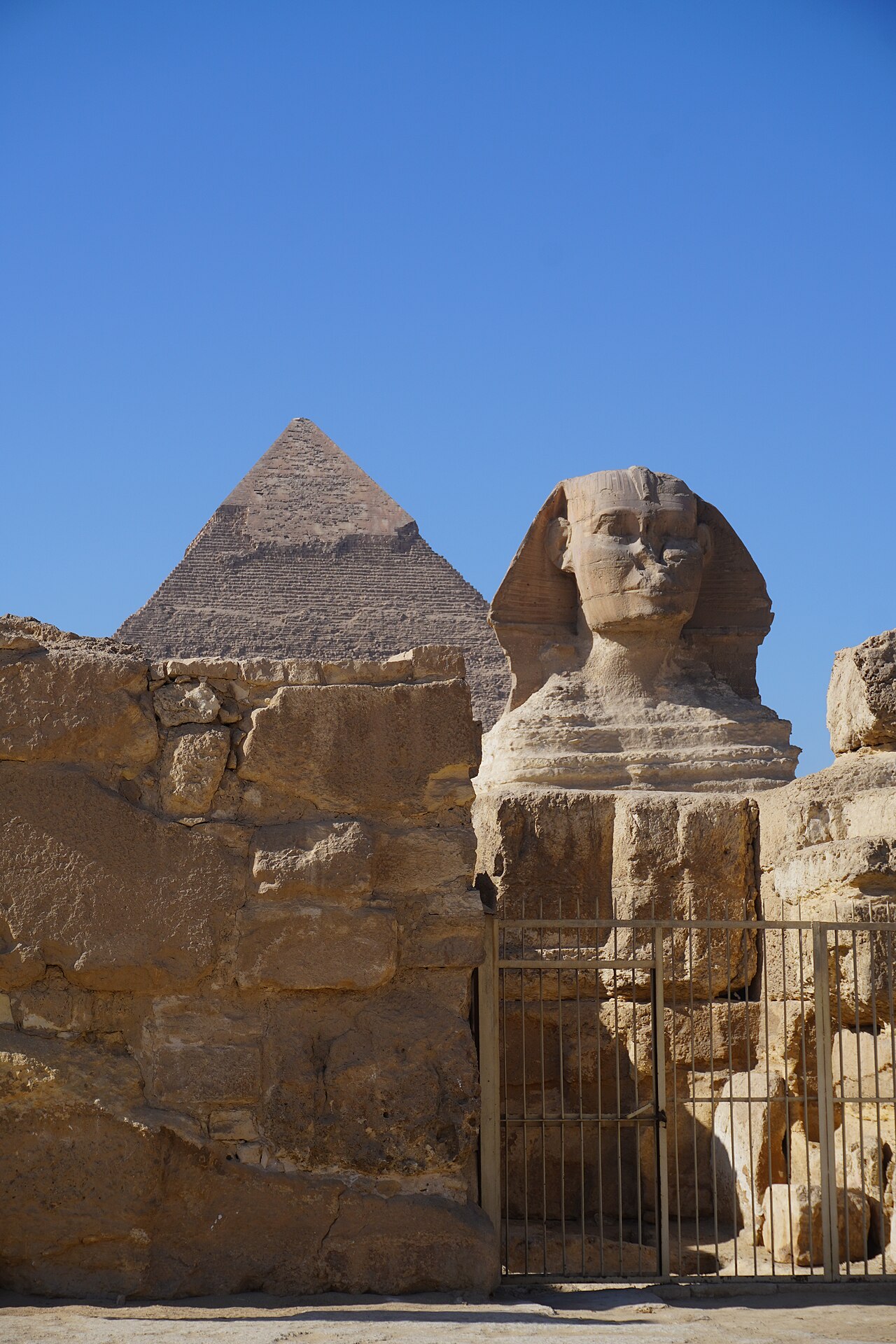
The Ramesses II obelisk at the GEM's entrance is the first obelisk in the world to be installed in the so-called 'hanging' configuration — suspended on a glazed base that allows the visitor to walk underneath and view the carved underside, which on every other obelisk in history has been hidden against the stone of its plinth.

Read the field report →
The gardens
Reading 03 · Gardens12 min · Planting

The gardens

The gardens of the GEM site occupy approximately twenty hectares — a substantial planted landscape on the desert edge of the Giza plateau. The planting is heavily weighted toward drought-tolerant Egyptian native species (acacia, sycamore-fig, tamarisk) rather than the more conventional formal-garden planting of nineteenth-century Cairo institutions.

Read the field report →
The parking and approach
Reading 04 · Approach11 min · Arrival

The parking and approach

The visitor arrives at the GEM by one of three routes — the new museum road from Cairo, the old Haram road from the south-east, or the desert highway from the north — and is funnelled, in every case, into a single landscape-architectural arrival sequence that is the work of the landscape design team rather than of the architects.

Read the field report →
The night-lit façade
Reading 05 · Night12 min · Lighting

The night-lit façade

The GEM is the most ambitiously night-lit institutional building in Egypt. The night-lighting scheme — by a Berlin lighting practice, in collaboration with the architects — washes the limestone wall, the alabaster screen, and the obelisk in graduated warm light that is visible from the desert road.

Read the field report →
Salma Abdel-Latif
// The author

Salma Abdel-Latif — Landscape architect, Cairo.

Landscape architect in private practice in Cairo, with a long working interest in public-realm projects in Egypt. Master's in landscape architecture from Harvard GSD, 2008. The notebook is the project of a long winter of site visits. More on the project →